The History of Cast Iron Plates: From Foundry to Home Gym
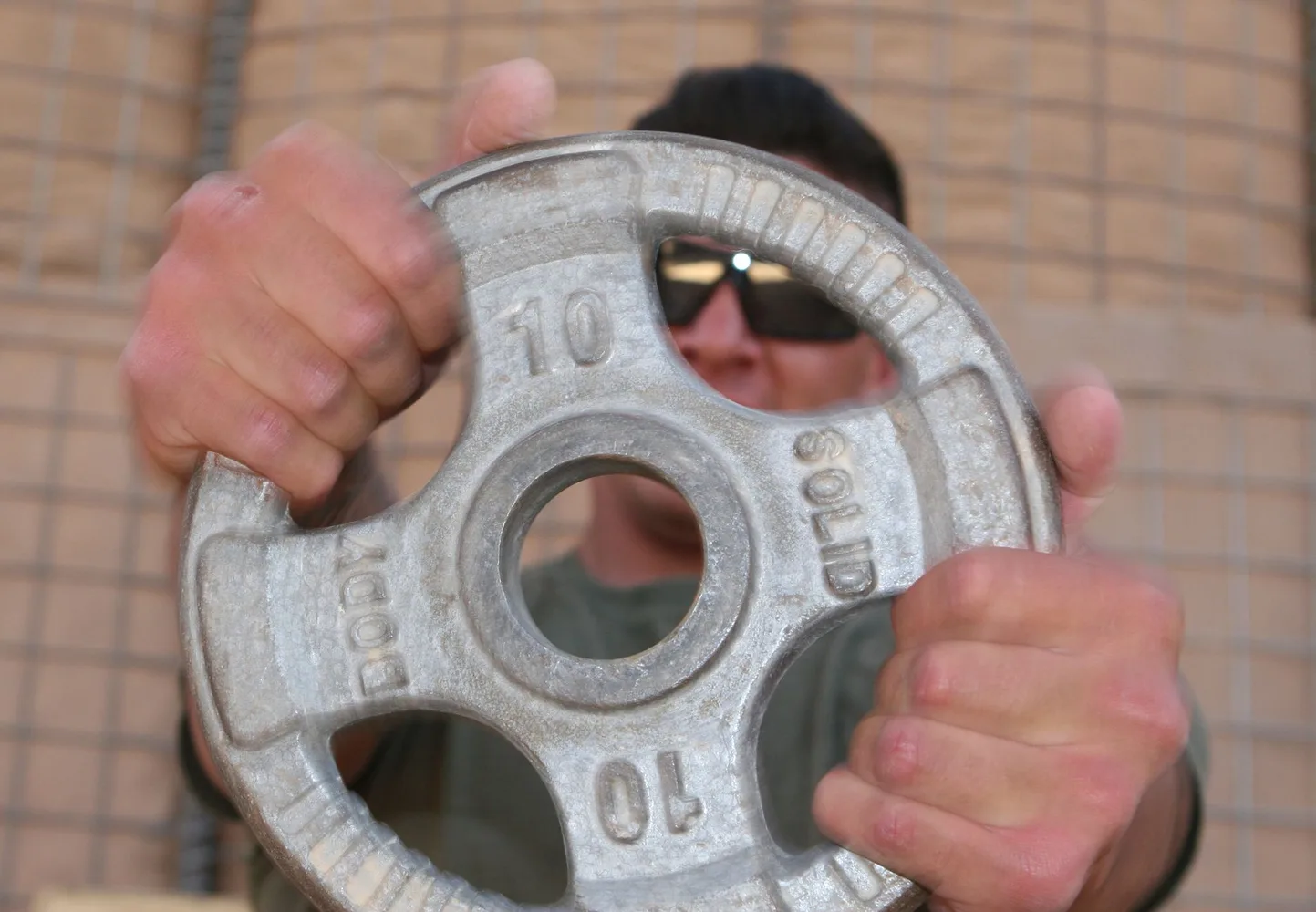
The Origins of Cast Iron in Strength Sport
Before the gleaming rubber-bumper plates and precision-calibrated discs of modern lifting, there was raw, foundry-poured cast iron. The story of cast iron weight plates is really the story of industrial America meeting the human desire for physical strength — and it begins not in a gym, but in a foundry.
Cast iron has been used for tools, cookware, and structural components since at least the 4th century BCE in China. Its journey into athletic equipment happened gradually, accelerating dramatically in the late 19th and early 20th centuries as physical culture movements swept Europe and America.
The Physical Culture Era (1880s–1920s)
The late Victorian era saw a surge in organized physical training. Figures like Eugen Sandow in Europe and Dudley Sargent in America popularized resistance exercise for the general public. The dumbbells and plates of this era were produced by the same foundries that made industrial components — they were heavy, somewhat imprecise, and utterly honest in their construction.
Early plates came in fixed denominations: 5, 10, 25, and 50 pounds were common. The molding process left them with slightly rough surfaces and casting seams that, while not aesthetically perfect, gave them a tactile quality that modern plates simply cannot replicate.
The York Barbell Era (1930s–1970s)
When Bob Hoffman founded York Barbell Company in 1932, he transformed the weight plate from an industrial afterthought into a precision athletic instrument. York's plates featured crisp lettering, consistent profiles, and quality control that was revolutionary for the era.
The iconic York "bun" plate — slightly domed in profile — became the standard American weight plate for four decades. Millions were cast, and tens of thousands survive today in usable condition. Finding a complete matching set in good condition is the holy grail for vintage equipment collectors.
What Makes Vintage Plates Special
Beyond nostalgia, vintage cast iron plates offer real practical advantages. The iron composition used in mid-century plates is denser and more durable than many modern alternatives. The flat, true surfaces of vintage Olympic plates sit more stably on a loaded bar. And the simple fact of longevity — a plate made in 1955 that still works perfectly in 2025 — speaks to a quality of materials and construction that is genuinely rare today.
For collectors, the appeal is multifaceted: historical provenance, manufacturing craft, the weight and feel of real iron, and the visual beauty of aged metal with intact foundry markings. A set of matching York plates from the 1950s is as much a sculptural object as it is athletic equipment.
Collecting Tips
When evaluating vintage cast iron plates, look for: legible weight markings (embossed, not just painted), matching profiles within a set, absence of cracks (hairlines are common but structural cracks disqualify a plate for use), and original enamel or paint with honest patina rather than recently repainted surfaces that hide condition issues.